Life Arbitrage
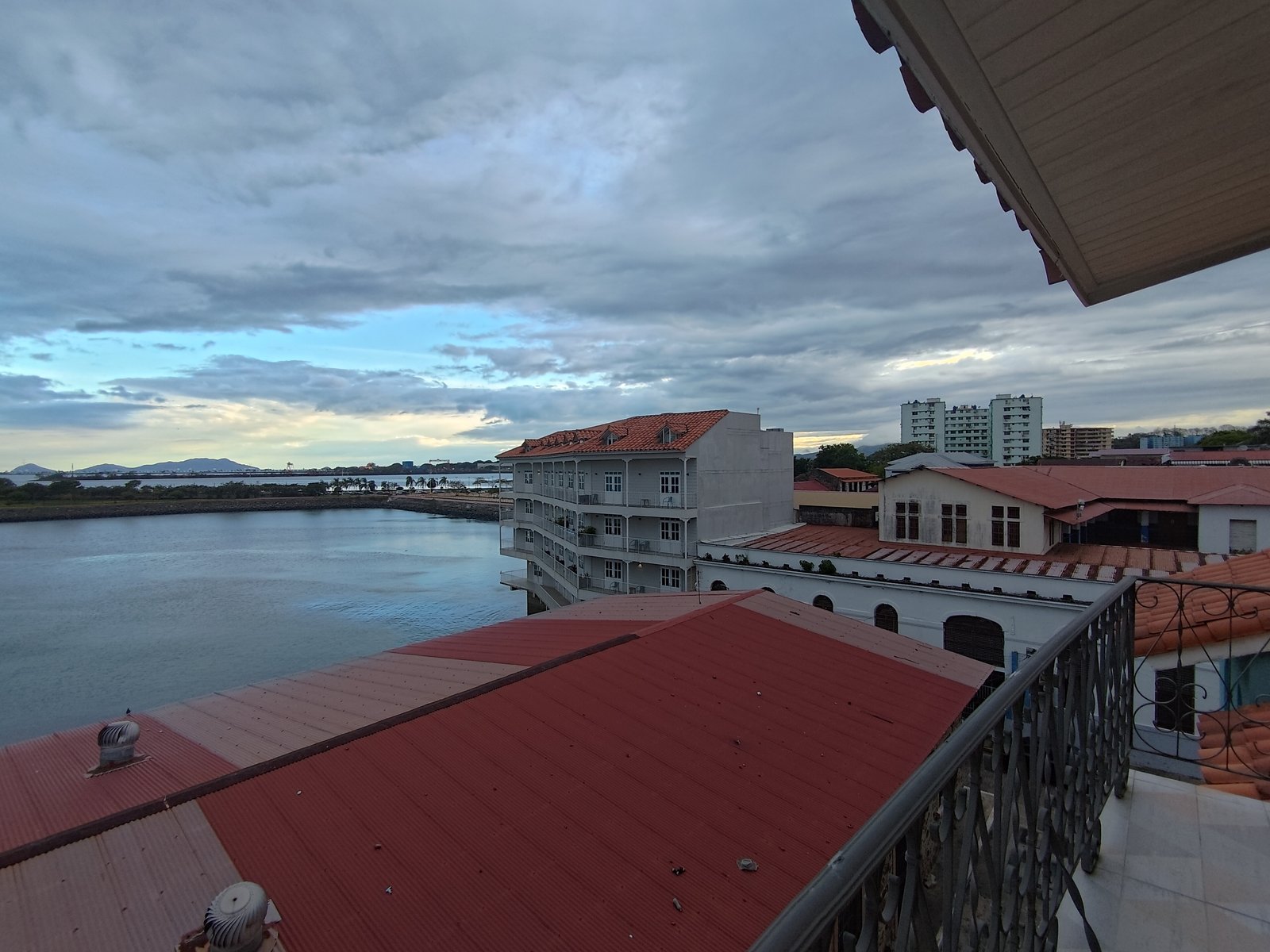
Friday Morning, Casco Viejo
The Lenovo was open on the table by 7. The rooftop of the Airbnb faced west — chairs, a low wall, the Pacific somewhere past the city skyline. I'd paid $160 for the night, top-floor unit, large enough to work in without feeling like I was camping.
Earlier in the week I'd been in a budget hotel nearby — appointments to keep, no point paying for a place I wouldn't be using. When those cleared, I had my driver bring me over to Casco Viejo and upgraded. That's how the rotation works.
The trading system I developed had nothing interesting to say. Friday, expiration day on a couple of cash-secured puts that had done exactly what they were supposed to do — decay. They were so far out of danger I made the judgment call to let them expire worthless rather than close them at the threshold my rules specify. Technically a rules violation. The extra few dollars weren't the point; the signal-to-noise ratio on the last day didn't justify the transaction. I logged it.
The scanner flagged four suggestions on other positions. Nothing I bit on, but I routed all four to the paper-trading account to score later. That's how the system learns. By 8:30 the trading day was done in any meaningful sense, the machine was running, and I had a female friend arriving that afternoon. I'd planned the weekend in Casco Viejo specifically so there'd be no Ubers needed — everything walkable, restaurants within a few blocks.
That's the morning. That's what a business operator looks like at a desk in Panama.
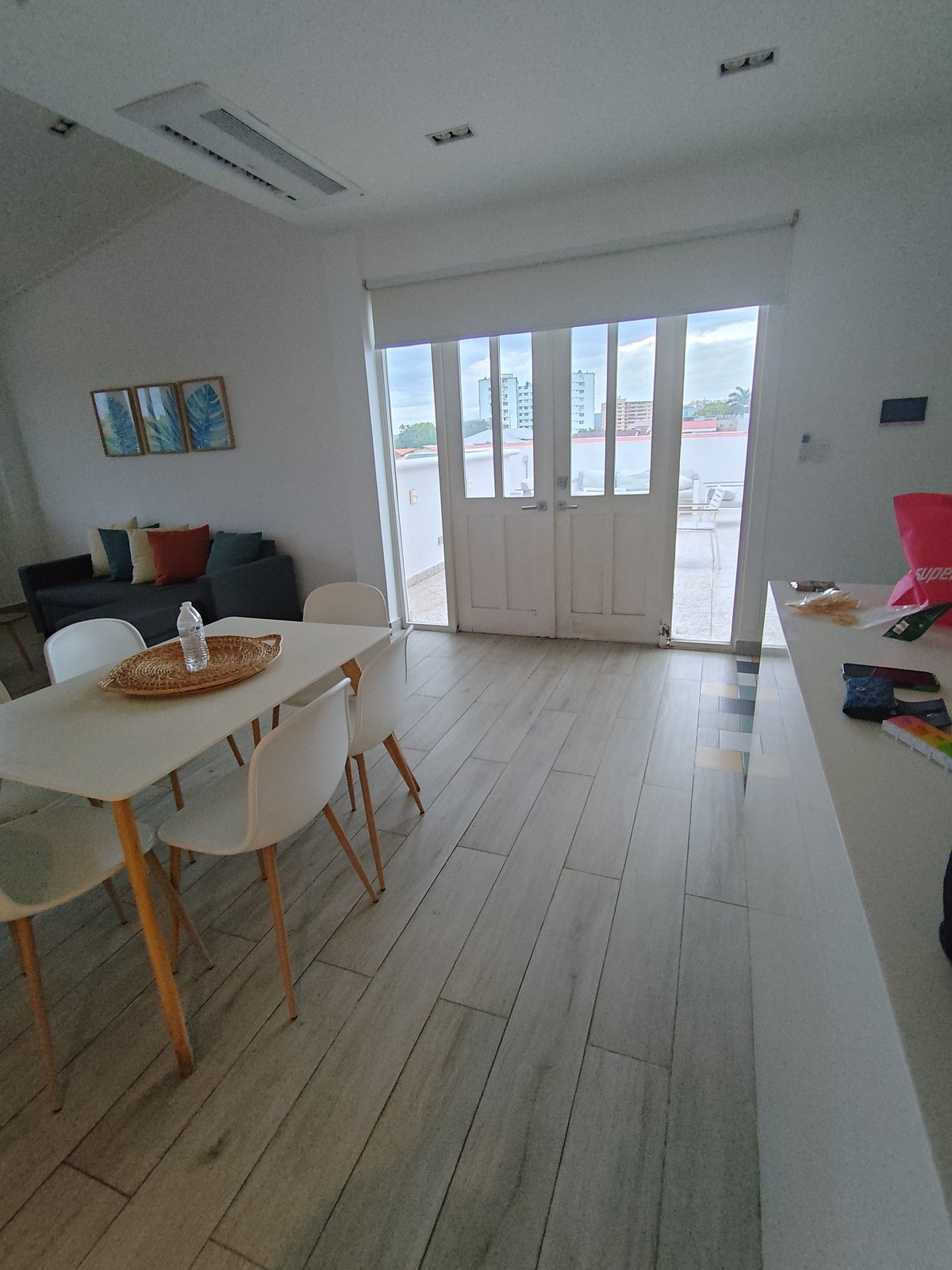
The Arithmetic
The apartment: $160 a night. Top floor, large, rooftop terrace, Pacific views, historic district, everything on foot.
The US equivalent — a 2BR/2BA with kitchen, big living room, rooftop access in Charleston's historic district or Savannah's — runs $679 on the low end, $764 to $1,000+ for the premium spec. Same walkable neighborhood feel, same water-adjacent, same restaurant density.
Call it 4x to 6x.
That's not a deal I found. That's a structural condition of the market. The word "arbitrage" gets abused in personal-finance content, but this is the actual definition: the same quality of daily life at a fraction of the cost because the two markets aren't priced the same. The question is whether you're positioned to access both sides of it.
What the Number Actually Proves
I'm not telling you to move to Panama to save money. I'm telling you what the savings represent, which is something else entirely: optionality.
When the cost of a high-quality day drops by 75%, the math on your time changes. A business that needs to generate a certain monthly floor to sustain a US lifestyle may not need to generate that same number if you're spending three months in Medellín or Panama City. Which means you have more months where you can be selective about which trades you take, which clients you work with, which projects you push. That's not retirement. That's leverage.
The digital nomad is chasing experience. The retiree is chasing rest. I'm chasing neither. I run an active trading operation, I'm building a second business in a region I find genuinely interesting, and I've been doing deals long enough to know when a structure is worth the complexity. The arbitrage doesn't fund a simpler life — it funds a more expansive one. That distinction matters, and I haven't seen it made clearly anywhere in the expat content ecosystem.
The threshold moment didn't arrive as a revelation. It was cumulative: the more time I logged in Panama and Colombia, the more I understood that the US is one of my options, not the container I operate inside. That's a different cognitive frame than most people are working with.
What the Relocation Industry Gets Wrong
There's a version of expat advice that sells you an event: the leap, the move, the big decision. Relocation services, real estate people, lifestyle bloggers — the structure of their business model requires you to commit. Jump in with both feet. Sell the house. Choose your city.
I have a legal address in Panama. I don't live in Panama — I rotate between Panama City, Medellín, and Fort Myers. But Panama is real: I have friends there, a doctor, contacts, resources. The connective tissue of a life, built up over time. Same in Medellín. The rotation works precisely because I've been showing up long enough that each place has substance.
You don't need to commit to a country. You need to start showing up to one.
For the reader who still runs something — a practice, a portfolio, a small business, a consultancy — the question isn't "am I ready to move abroad?" It's smaller than that: what would it take to spend 30 days somewhere that isn't the US, with the business still running? Answer that question. The rest of the architecture can come later.
That's what Life Arbitrage is for.